AI SEO Content: How to Rank with Generated Articles in 2026
Learn how AI-generated content can rank on Google in 2026. Complete guide with Google's official guidelines, E-E-A-T requirements, case studies, and optimization strategies.
Jump to section
The question keeping content creators up at night: Can AI-generated content actually rank on Google in 2026?
Here’s the short answer: Yes, but not how you think.
AI content isn’t automatically penalized by Google. But it’s not automatically rewarded either. The difference between AI content that dominates search results and AI content that gets buried comes down to understanding exactly what Google wants - and what most people get wrong.
This guide breaks down everything you need to know: Google’s official stance on AI content, the exact E-E-A-T requirements you must meet, real case studies proving AI content can rank, and the complete optimization checklist that separates winners from losers.
Google’s Official Stance on AI-Generated Content
Let’s cut through the noise and look at what Google actually says about AI content.
The Core Principle: Quality Over Method
Google’s official guidance on AI-generated content is crystal clear:
“Our focus is on the quality of content, rather than how content is produced.”
This means Google doesn’t care whether your content was written by a human, generated by AI, or created by a team of trained dolphins. What matters is whether it’s helpful, accurate, and valuable to users.
What Google Actually Penalizes
Here’s where most people get it wrong. Google doesn’t penalize AI content. What Google penalizes is scaled content abuse.
According to Google’s spam policies:
“Using automation—including AI—to generate content with the primary purpose of manipulating ranking in search results is a violation of Google’s spam policies.”
The January 2025 Search Quality Rater Guidelines made this even more explicit, targeting:
- Mass-produced content created “with little effort or originality”
- Content published “with no editing or manual curation”
- Keyword-stuffed, generic articles that provide minimal value
- Content created solely to manipulate rankings
Notice the pattern? It’s not about AI. It’s about lazy, low-quality content farms.
The December 2025 Core Update Impact
The December 2025 Core Update proved Google’s seriousness about quality. Sites hit hardest shared common characteristics:
| Content Type | Traffic Impact | Why It Failed |
|---|---|---|
| Mass-produced AI content without expert oversight | -87% | No human expertise or original insights |
| Thin affiliate content without testing/analysis | -71% | Regurgitated product specs with no real value |
| Generic “SEO content” optimized for keywords only | -63% | Keyword-focused rather than user-focused |
Sites that thrived? Those combining AI efficiency with human expertise, original research, and genuine value.
Understanding E-E-A-T for AI Content
E-E-A-T is the framework Google uses to evaluate content quality. If your AI content doesn’t demonstrate these four elements, it won’t rank - period.
The Four Pillars of E-E-A-T
Experience
This is the “first E” added in 2022, and it’s crucial for AI content. Experience means demonstrating first-hand knowledge of the topic.
For AI content, this means:
- Adding personal anecdotes and specific examples
- Including real-world testing results and data
- Sharing unique insights that only come from doing the work
- Avoiding generic statements that could apply to anything
Expertise
Expertise demonstrates in-depth knowledge and mastery of your topic. For AI content:
- Use AI for research and structure, but add expert analysis
- Include industry-specific terminology and nuanced understanding
- Reference current trends and developments in your field
- Provide context that shows deep subject matter knowledge
Authoritativeness
Authoritativeness is about being recognized as a go-to source in your niche. Build this by:
- Publishing author bios with relevant credentials
- Earning citations and mentions from other authoritative sites
- Getting featured in industry publications and podcasts
- Building a consistent presence across platforms
Trust
Trust is the foundation of E-E-A-T. Build trust through:
- Factual accuracy with proper citations
- Transparency about sources and methodology
- Regular content updates to maintain accuracy
- Clear contact information and author accountability
How AI Content Typically Fails E-E-A-T
Most AI-generated content that doesn’t rank fails one or more E-E-A-T criteria:
- Generic Information: Lacks specific examples or unique insights
- No Real Expertise: Sounds knowledgeable but lacks depth
- Missing Experience: No first-hand accounts or practical application
- Trust Issues: Factual errors, outdated information, or unclear sourcing
The solution? Use AI as your research assistant and first-draft generator, then layer in the E-E-A-T elements that only humans can provide. For a deeper exploration of this balance, see our analysis of AI writer vs human writer.
Real Case Studies: AI Content That Actually Ranks
Theory is nice. Results are better. Here are documented case studies of AI content ranking successfully in 2025-2026.
Case Study 1: Xponent21’s 4,162% Traffic Growth
Xponent21 achieved remarkable results with AI-assisted content:
- Year-over-year growth: 4,162% increase in organic traffic
- Search impressions: 10.5 million from launch to May 2025
- Daily visibility: 168,000+ appearances in search results by July 2025
- Key factor: Content optimized for AI-generated answers and rich results
What they did right:
- Structured content to answer specific questions directly
- Used schema markup extensively
- Focused on topics where AI Overviews frequently appear
- Combined AI efficiency with expert content review
Case Study 2: Bankrate’s AI Content Success
Bankrate.com leveraged AI for financial content:
- Monthly organic traffic: 125,000 visitors from AI-assisted content
- Ranking performance: First page rankings for primary and long-tail keywords
- Content volume: Scaled production while maintaining quality standards
Success factors:
- Expert financial writers reviewing and enhancing AI drafts
- Rigorous fact-checking and source verification
- Strong author credentials and E-E-A-T signals
- Regular content updates for accuracy
Case Study 3: STACK Media’s Strategic AI Implementation
STACK Media partnered with BrightEdge to transform their content approach:
- Method: AI-driven keyword analysis for high-volume opportunities
- Strategy: Competitive research to understand top-ranking content
- Execution: Redesigned templates with comprehensive, AI-assisted content
- Results: Significant traffic increases in targeted fitness categories
Case Study 4: Real Estate Site’s 80% Growth
A case study from SEO.ai documented impressive results:
- Traffic growth: 80% increase over four months
- Keyword rankings: 700+ keywords on Google’s first page
- Approach: AI-generated property descriptions enhanced with local expertise
Case Study 5: YouTube’s AI Overview Dominance
According to BrightEdge research:
- YouTube citations in AI Overviews: Nearly 30% of all citations
- Growth: 25% increase in YouTube citations since January 2024
- Content types performing best: How-to content, visual demonstrations, product reviews
The Complete AI Content Optimization Checklist
Want your AI-generated content to rank? Follow this systematic checklist that combines insights from Google’s guidelines and real-world success stories.
Phase 1: Strategic Planning
Before you write a single word:
- Keyword research with user intent: Don’t just target keywords; understand what users actually want
- Competitive analysis: Study what’s currently ranking - what do they do well? What gaps exist?
- E-E-A-T audit: Can you genuinely demonstrate experience and expertise on this topic?
- Unique angle identification: What perspective or information can you provide that others can’t?
Phase 2: AI-Assisted Content Creation
Use AI strategically during creation:
Do:
- Use AI for initial research and outlining
- Generate first drafts for structure and flow
- Identify semantic keywords and related topics
- Create bullet points and lists for complex information
- Draft meta descriptions and title variations
Don’t:
- Publish AI output without significant editing
- Accept generic statements and examples
- Skip fact-checking AI-generated claims
- Ignore your brand voice and style
- Use AI-generated content as the final product
Phase 3: Human Enhancement (Critical!)
This is where AI content becomes rankable content:
Add Experience:
- Personal anecdotes and specific examples
- Real test results and data from your work
- Screenshots, case studies, or demonstrations
- “Here’s what happened when I…” narratives
Layer in Expertise:
- Industry-specific insights and analysis
- Nuanced understanding of complex topics
- Commentary on trends and developments
- Expert recommendations based on real knowledge
Build Authority:
- Author bio with relevant credentials
- Citations to authoritative sources
- References to industry publications
- Links to related in-depth content
- Build topical authority through comprehensive content clusters
Establish Trust:
- Fact-check every claim
- Update statistics and data points
- Add clear sources and references
- Include author contact or social links
Phase 4: Technical Optimization
Make your content AI-readable and search-friendly:
Structure for AI:
- Clear H2/H3 heading hierarchy answering specific questions
- Short paragraphs (2-3 sentences maximum)
- Bullet points and numbered lists for key information
- Tables for data and comparisons
Implement Schema Markup:
- Article schema for blog posts
- FAQ schema for question-answer sections
- HowTo schema for instructional content
- Video schema if you embed videos
Optimize for Features:
- Target “People Also Ask” questions
- Structure content for featured snippets
- Create content that AI Overviews can easily cite
- Include clear, quotable answers to key questions
Technical Checklist:
- Mobile-friendly formatting
- Fast page load speed
- Proper image optimization with descriptive alt text
- Internal linking to related content
- External links to authoritative sources
Phase 5: Multimodal Content Integration
In 2026, text-only content is at a disadvantage:
Add Visual Elements:
- Custom images and graphics (not just stock photos)
- Data visualizations and charts
- Infographics summarizing key points
- Screenshots demonstrating processes
Create Video Content:
- Embed relevant YouTube videos
- Create short explainer videos
- Add video timestamps and transcripts
- Optimize video titles and descriptions
Enhance with Rich Media:
- Audio explanations or podcasts
- Interactive elements where appropriate
- Downloadable resources (checklists, templates)
- Embedded social proof (tweets, testimonials)
Phase 6: Pre-Publishing Quality Check
Before you hit publish:
- AI Test: Paste your content into ChatGPT or Claude and ask it to summarize. Does it capture your main points accurately? If not, your content needs restructuring.
- E-E-A-T Audit: Does your content clearly demonstrate experience, expertise, authoritativeness, and trust? Be honest.
- Unique Value Check: Could this exact content exist on 100 other websites? If yes, keep editing.
- Fact Verification: Check every statistic, claim, and date. AI confidently states false information.
- Readability Review: Use tools like Hemingway to ensure Grade 8-10 reading level
- Brand Voice Check: Does this sound like your brand or generic AI?
Phase 7: Post-Publishing Optimization
Your work isn’t done when you publish:
Monitor Performance:
- Track rankings for target keywords (weekly for first month)
- Monitor AI Overview appearances
- Check click-through rates and engagement metrics
- Identify which sections get the most attention
Update Regularly:
- Refresh statistics and data every 3-6 months
- Add new examples and case studies
- Update for algorithm changes and industry shifts
- Respond to comments and questions
Build Authority:
- Promote content through email and social
- Earn backlinks through outreach
- Get mentioned in industry publications
- Update content based on user feedback
Optimize for Citations:
- Track how often your content gets cited in AI summaries
- Identify which sections get quoted most
- Enhance those sections with more depth
- Structure new content similarly to cited pieces
Common Mistakes to Avoid
Learn from others’ failures. Here are the critical mistakes that kill AI content performance:
Mistake 1: Publishing Raw AI Output
The Problem: AI generates generic, safe content that lacks personality, unique insights, and specific examples.
The Fix: Treat AI output as a rough draft. Your editing should be so thorough that the final piece barely resembles the AI’s first pass.
Mistake 2: Ignoring E-E-A-T Signals
The Problem: Publishing content without demonstrating expertise or experience, expecting keywords alone to rank it.
The Fix: Add author bios, credentials, specific examples, and first-hand experience. Make it obvious why readers should trust you.
Mistake 3: Scaling Too Fast
The Problem: Publishing hundreds of AI articles quickly without proper oversight, quality control, or uniqueness.
The Fix: Focus on quality over quantity. 10 exceptional, well-edited articles will outperform 100 generic ones.
Mistake 4: Neglecting Technical SEO
The Problem: Creating great content but failing on technical fundamentals like schema, site speed, or mobile optimization.
The Fix: Run technical SEO audits regularly. Use tools like Google Search Console, PageSpeed Insights, and schema validators.
Mistake 5: Forgetting About Multimodal Content
The Problem: Publishing text-only content when AI Overviews favor sources with videos, images, and rich media.
The Fix: Add visual elements and create complementary YouTube content. Aim for multimodal coverage of important topics.
Mistake 6: Not Updating Content
The Problem: Publishing once and forgetting about content, letting it become outdated and lose rankings.
The Fix: Schedule quarterly content audits. Update statistics, add new examples, and refresh outdated information.
Mistake 7: Chasing Keywords Instead of Intent
The Problem: Optimizing for specific keywords without understanding what users actually want.
The Fix: Research the search intent behind your keywords. What questions are users trying to answer? What problems are they solving?
Mistake 8: Skipping Fact-Checking
The Problem: AI confidently states false information. Publishing without verification damages trust and rankings.
The Fix: Verify every fact, statistic, and claim. Link to original sources. If you can’t verify it, don’t publish it.
The Future of AI Content and SEO
Looking ahead, several trends are shaping how AI content will perform in search:
AI Overviews Are Here to Stay
Google’s AI Overviews aren’t going away. By 2026, they appear for a significant percentage of searches. This changes the game:
- Focus shifts from rankings to citations: Being cited in AI summaries becomes as important as ranking #1
- Structured content wins: Clear, quotable answers get cited more
- Authority matters more: Google won’t cite low-authority sources in AI summaries
The Quality Bar Keeps Rising
What worked in 2024 won’t cut it in 2026. Google’s ability to detect low-quality AI content improves with every update:
- Generic content gets filtered out faster
- Unique insights and expertise matter more
- User engagement signals become more important
- Brand authority influences rankings more heavily
Multimodal Content Becomes Essential
Text-only content increasingly competes at a disadvantage:
- Video content gets preferential treatment in AI Overviews
- Rich media improves engagement metrics
- Different content formats reach different user preferences
- Platform diversification builds authority signals
SEO Becomes AEO (Answer Engine Optimization)
Optimization strategies are evolving beyond traditional SEO. This shift toward what’s called Generative Engine Optimization (GEO) is particularly important for SaaS companies — learn more in our guide to GEO for SaaS.
Key AEO strategies include:
- Optimize for being cited, not just ranked
- Structure content for AI extraction and summarization
- Build cross-platform authority (YouTube, podcasts, social)
- Focus on being the definitive source for topics
Image Prompts for This Article
Hero Image Prompt
“Photorealistic wide angle shot of a modern workspace showing an AI interface on a large monitor displaying an upward trending graph with Google search rankings climbing from position 20 to position 1. The graph line glows with blue and purple gradient. In the foreground, a laptop shows content being written with AI assistance. Bright, professional lighting with depth of field blur. Clean, minimalist aesthetic. Professional tech photography style. 16:9 ratio.”
SEO Checklist Image Prompt
“Clean, modern infographic design showing an SEO optimization checklist. Each item has a green checkmark icon. Include items: ‘Add Human Expertise’, ‘Fact-Check Claims’, ‘Include Examples’, ‘Add Schema Markup’, ‘Optimize for Mobile’, ‘Add Visual Content’. Use Suparank brand colors (purple and blue gradients). Flat design style with subtle shadows. White background. Professional SaaS aesthetic. 16:9 ratio.”
Performance Graph Image Prompt
“Professional data visualization showing AI content performance metrics over 12 months. Line graph with three colored lines: purple line showing ‘AI-Assisted Content’ trending sharply upward (+4162%), orange line showing ‘Pure AI Content’ declining (-87%), gray line showing ‘Traditional Content’ staying flat. Clean grid background. Modern financial report aesthetic. Include subtle axis labels and legend. 16:9 ratio.”
E-E-A-T Framework Image Prompt
“Modern educational infographic illustrating the E-E-A-T framework with four connected circular icons. First circle: ‘Experience’ with person icon and notepad. Second: ‘Expertise’ with graduation cap and brain. Third: ‘Authoritativeness’ with trophy and medal. Fourth: ‘Trust’ with shield and checkmark. Connect with flowing lines. Use purple and blue gradient colors. Clean, professional design. White background. 16:9 ratio.”
Take Action: Implement AI SEO the Right Way
AI-generated content absolutely can rank in 2026 - but only when done strategically. The key isn’t avoiding AI; it’s using AI intelligently as part of a comprehensive content strategy.
Remember the core principles:
- Quality trumps method: Google doesn’t care how you create content, only that it’s helpful
- E-E-A-T is non-negotiable: Experience, expertise, authoritativeness, and trust must be evident
- AI assists, humans enhance: Use AI for efficiency, add human value for rankings — see our AI writer vs human writer comparison for more on finding the right balance
- Multimodal wins: Combine text, images, and video for maximum visibility
- Update and optimize: Content is never “done” - continuous improvement matters
The sites winning with AI content in 2026 aren’t choosing between AI and humans. They’re strategically combining both: AI handles research, structure, and drafting; humans add expertise, original insights, and the elements that make content genuinely valuable.
Create Ranking AI Content with Suparank
Suparank combines AI efficiency with SEO best practices, helping you create content that actually ranks. Research keywords, generate optimized articles, and publish to your CMS - all with E-E-A-T optimization built in.
The question isn’t whether AI content can rank. It’s whether you’re willing to put in the work to make your AI content worthy of ranking.
Sources
- Google Search’s guidance about AI-generated content
- Does AI Content Rank on Google in 2026? Latest SEO Insights
- Google’s AI Content Guidelines (2026)
- Google quality raters now assess whether content is AI-generated
- Google’s 2026 Search Quality Rater Guidelines
- Google December 2025 Core Update Guide
- What’s New with Google E-E-A-T in 2025?
- 5 AI SEO Case Studies to Scale Your Organic Traffic
- Xponent21’s 4,162% Traffic Growth AI SEO Case Study
- AI Content Performance: 6 Case Studies and Results
- AI for SEO: Your Guide for 2026
- AI SEO Is Changing Everything 2026: 5 Key Strategies
- SEO & AI Search Best Practices to Implement in 2026
- 5 Key Enterprise SEO And AI Trends For 2026
- YouTube’s Growing Impact on Google AI Overviews
- YouTube is no longer optional for SEO in the age of AI Overviews
- Rethinking YouTube SEO: Winning Visibility in Google’s AI Overviews
- Can AI Content Rank on Google? We Analyzed 20K Blog URLs
- Does Google Penalize AI Content? New SEO Case Study (2025)
Frequently Asked Questions
Does Google penalize AI-generated content?
What is E-E-A-T and why does it matter for AI content?
Can AI content rank as well as human-written content in 2026?
What's the biggest mistake people make with AI content for SEO?
Tags
More articles
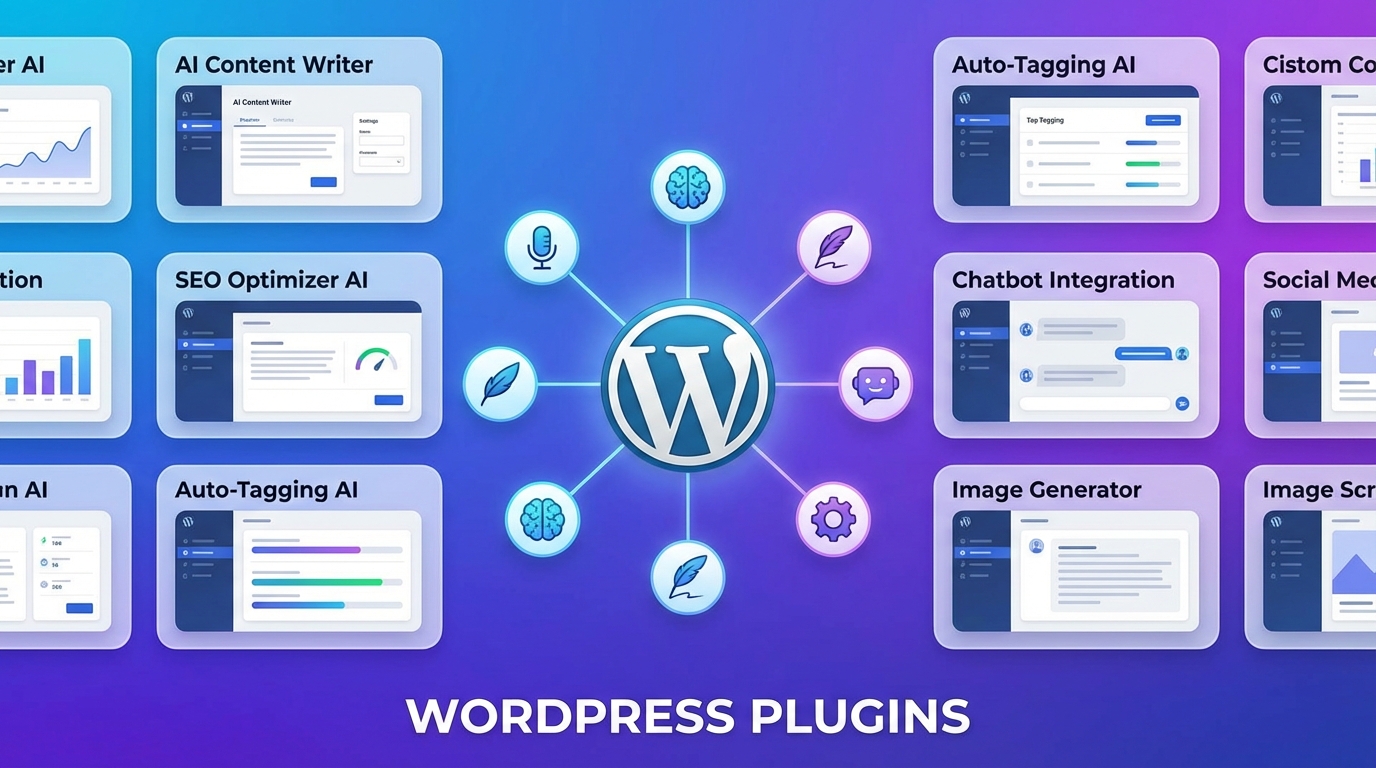
Best AI Content Tools for WordPress: Plugins, Integrations & Workflows
Discover the top AI content tools for WordPress in 2026, including plugins, API integrations, and complete workflows to automate content creation and SEO optimization.

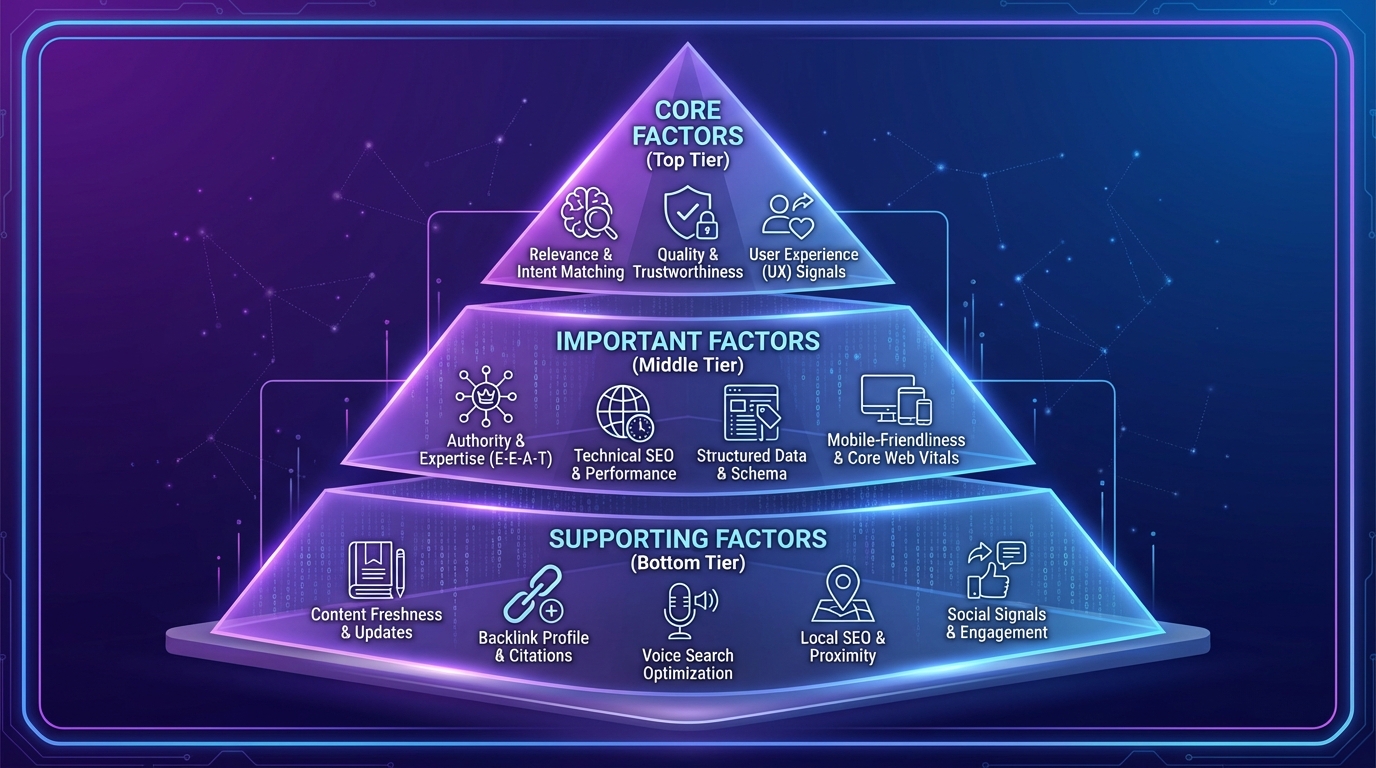
AI Search Engine Ranking Factors: What Actually Matters in 2026
Discover the proven ranking factors that determine visibility across ChatGPT, Perplexity, Google SGE, and Claude in 2026. Data-backed insights from recent studies.
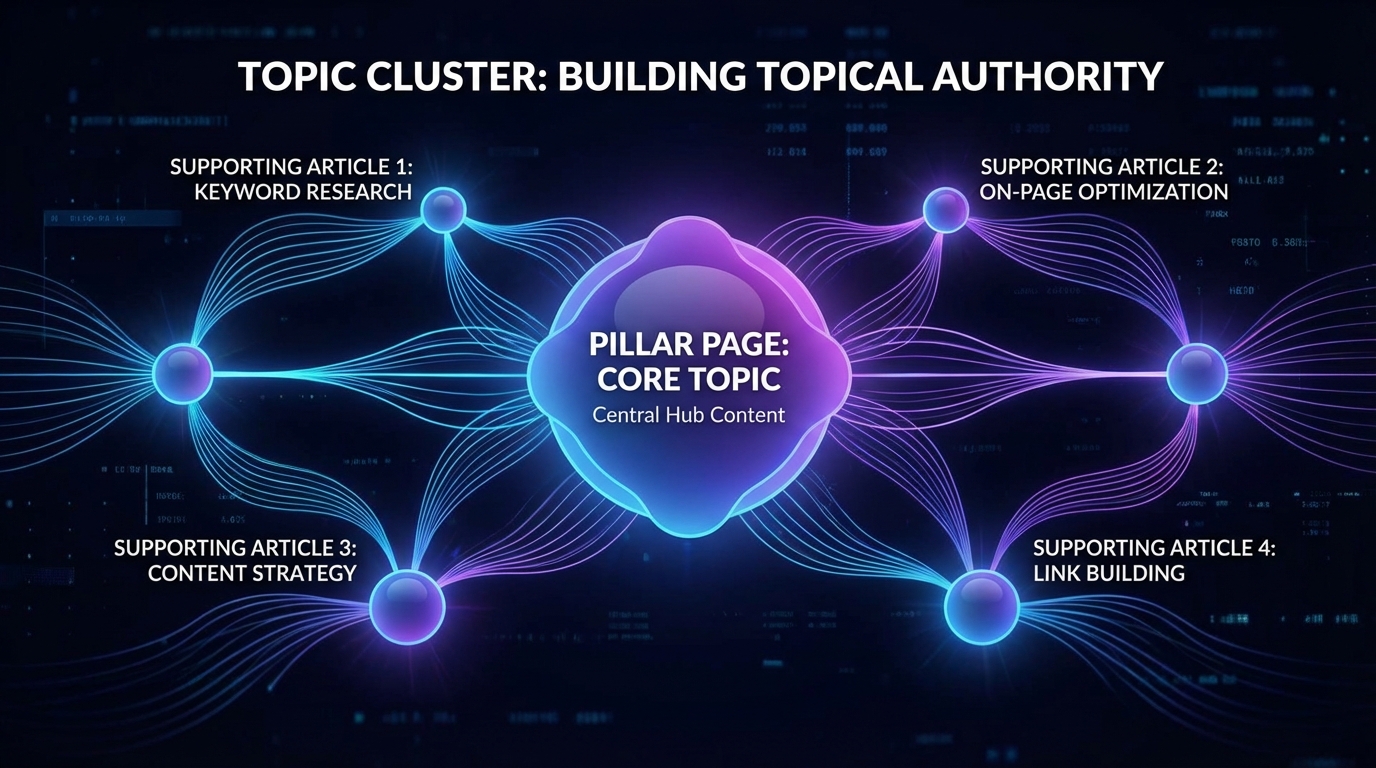
Building Topical Authority Fast: The AI-Accelerated Approach
Learn how to build topical authority 10x faster using AI-powered content clusters. Complete guide to establishing expertise and dominating search rankings.