How to Automate Blog Writing with AI in 2026
Discover proven strategies to automate your blog writing with AI tools in 2026. Learn workflow automation, best practices, and tools that scale content.

Jump to section
Blog writing has fundamentally transformed in 2026. What once took 4-6 hours per article now takes minutes to draft—but here’s the twist: the fastest content isn’t winning. With over 600 million blogs worldwide publishing 7.5 million posts daily, automation without strategy leads to mediocrity. This guide shows you how to leverage AI blog automation intelligently, combining machine efficiency with irreplaceable human expertise to create content that ranks, converts, and builds authority.
Understanding AI Blog Automation in 2026
AI blog automation has evolved far beyond simple text generation. Today’s systems represent what industry leaders call “agentic AI”—intelligent systems that don’t just answer questions but autonomously take actions to achieve goals. Understanding the best AI writing tools available today is crucial for choosing the right approach for your workflow.
According to Google Cloud’s 2026 Business Trends Report, two paradigm shifts define this era:
- Reasoning over retrieval: AI models now “think” before responding, using chain-of-thought processing that dramatically reduces hallucinations and improves content accuracy
- The agentic shift: Tools build autonomous agents that actively perform work like updating databases, sending notifications, or deploying content—not just generating draft text
This means your automation workflow in 2026 isn’t just about writing faster. It’s about orchestrating an intelligent system that handles research, creation, optimization, and distribution while you focus on strategy and expertise.
The Data Behind AI Blog Automation
Before diving into implementation, understand the landscape with 2026’s key statistics:
Adoption rates are skyrocketing: Approximately 70% of bloggers now use AI for drafting or elevating their content. However, success isn’t universal. Fully AI-generated articles generally do not perform well—marketers practicing this are the least likely to report strong results.
Quality over speed wins: While AI can draft content in minutes, bloggers who spend more than six hours creating posts (including AI-assisted drafting and human refinement) report 26% strong results versus 16% for those spending only 1-2 hours.
Business impact remains powerful: Businesses that blog see 2x more email traffic, marketers who prioritize blogging are 13x more likely to get positive ROI, and 71% of B2B buyers rely on blog content during their journey. The content marketing industry is projected to reach $107.5 billion by 2026.
The takeaway? AI automation is essential for efficiency, but human expertise is non-negotiable for success. For a deeper dive into the strengths and limitations of each approach, read our AI writer vs human writer comparison.
The Modern Blog Automation Workflow
Successful AI blog automation in 2026 follows a structured workflow that balances efficiency with quality. Here’s the proven framework:
Phase 1: Strategic Planning & Research
Your automation starts before any writing begins. Modern AI tools can:
- Analyze your niche and identify content gaps
- Research trending topics using real-time data
- Evaluate competitor content strategies
- Generate keyword clusters and semantic relationships
- Create comprehensive content briefs with SEO requirements
Tools for this phase: Koala Writer accesses real-time Google search results to ensure content relevance. ContentShake AI suggests trending topics based on current search patterns. Outrank analyzes competitive landscapes to identify authority-building opportunities.
Phase 2: Content Generation with Intelligence
This phase has evolved dramatically. Instead of generating generic text, modern systems:
- Create detailed outlines based on search intent analysis
- Generate sections with proper information hierarchy
- Integrate real-time data and statistics
- Maintain consistent brand voice across pieces
- Optimize reading level for target audience (Grade 8-10 recommended)
Advanced capabilities in 2026: ChatGPT’s o1 and o3 reasoning models use extended “thinking time” to solve complex problems before generating content. This reduces errors and improves logical flow significantly.
The typical output includes 1,416 words on average, though longer, deeper content (2,000+ words) performs exceptionally well in AI search engines like Google’s SGE and Perplexity because they have more information to work with.
Phase 3: SEO Optimization & Enhancement
Raw AI content needs optimization. Automation handles:
- Keyword density optimization (target: 0.5-1.5%)
- Meta title and description generation
- Header structure (H2/H3) refinement
- Internal linking suggestions based on existing content
- Schema markup generation (FAQ, Article, HowTo)
- Image alt text optimization
| Optimization Element | Manual Time | Automated Time | Quality Check Required |
|---|---|---|---|
| Keyword Research | 30-45 min | 2-3 min | Yes - verify relevance |
| Content Outline | 20-30 min | 1-2 min | Yes - adjust structure |
| Draft Writing | 2-3 hours | 5-10 min | Critical - add expertise |
| SEO Optimization | 30-45 min | 3-5 min | Yes - validate suggestions |
| Image Sourcing | 20-30 min | 2-3 min | Yes - ensure relevance |
| Publishing | 15-20 min | 1-2 min | Yes - final review |
Phase 4: Visual Content Creation
Text-only posts underperform in 2026. Automated visual generation includes:
- Hero images from text prompts (via DALL-E 3, Midjourney, Stable Diffusion)
- Infographics based on article data
- Featured images optimized for social sharing
- Custom illustrations matching brand aesthetic
Integration capability: Tools like ContentBot and Suparank automatically generate and insert images during the content creation process, maintaining visual consistency across your blog.
Phase 5: Publishing & Distribution
The final automation layer handles:
- Direct publishing to WordPress, Ghost, or custom CMS
- Social media post generation and scheduling
- Email newsletter creation from blog content
- Analytics tracking setup
- Automated internal linking across existing posts
Top AI Blog Automation Tools in 2026
The landscape has consolidated around specialized platforms. Here’s how they compare:
Specialized Blog Writing Platforms
Outrank - Best for agencies and marketers focused on organic growth. Positioned as an “autonomous SEO engine,” it excels at building topical authority through coordinated content clusters. Handles everything from keyword research to content briefs to SEO optimization.
Koala Writer - Best for SEO-first content. Its distinctive feature: real-time Google data integration. Every article leverages current search results, ensuring your content reflects the latest information ranking in SERPs.
ContentBot - Best for high-volume production. Offers bulk content generation, WordPress integration, and AI-powered content briefs. Ideal for businesses producing 50+ articles monthly.
ContentShake AI - Best for beginners. Provides guided workflows from topic ideation to final draft, with trending topic suggestions, optimized outlines, readability scores, and SEO recommendations built-in.
Suparank - Best for AI-native workflows. Built on Model Context Protocol (MCP), it integrates directly with Claude, ChatGPT, and Cursor. Offers full-pipeline automation from keyword research to publishing, with session-based workflow management. Learn more about MCP tools for automated writing in our setup guide.
Workflow Automation Platforms
These orchestrate multi-step processes, connecting AI writing tools with other services:
n8n - Open-source, self-hostable, perfect for teams needing data control. Developer-friendly with visual workflow building. Reports 80% reduction in manual work when properly configured.
Make (formerly Integromat) - Visual workflow builder ideal for non-technical users. Excellent at repurposing content across platforms (e.g., blog post → LinkedIn article → Twitter thread).
Zapier - Easiest to use, largest app ecosystem. Enhanced with AI triggers and multi-step automation. Best for small to medium businesses without technical teams.
Workato - Enterprise-grade automation handling massive pipelines. Ideal for large organizations with complex workflows and strict compliance requirements.
Step-by-Step: Setting Up Your First Automation
Let’s build a practical automation workflow that takes a topic and produces a published blog post with minimal manual intervention.
Step 1: Define Your Content Strategy
Before automating anything:
- Identify core topics: What subjects align with business goals?
- Define target audience: Who are you writing for?
- Establish brand voice: How should content sound?
- Set quality standards: What makes content “good enough” to publish?
- Determine publishing frequency: Weekly? Biweekly? Daily?
Document these decisions. AI automation amplifies your strategy—garbage in, garbage out applies doubly here.
Step 2: Set Up Your Tool Stack
For a detailed walkthrough on setting up your AI blog workflow, check our dedicated guide. A typical automation stack includes:
Content creation layer: Choose one primary tool (e.g., Koala Writer, ContentBot, Suparank)
Workflow automation layer: Connect your content tool to other services (n8n, Make, Zapier)
Publishing destination: Your CMS (WordPress, Ghost, custom platform)
Supporting tools:
- Image generation (DALL-E 3, Midjourney, Stable Diffusion)
- SEO analysis (Ahrefs, SEMrush integrations)
- Grammar checking (built into most AI tools now)
Step 3: Create Your Content Template
Define reusable templates that ensure consistency:
Template Structure:- Introduction (100-150 words): Hook + value proposition + primary keyword- TLDR section (4-5 bullets): Key takeaways- Main content (1,500-2,500 words): 5-7 H2 sections, each with 2-3 H3 subsections- Visual elements: 1 hero image, 2-3 inline images, 1 data table- Conclusion (100-150 words): Summary + CTA- FAQ section: 3-5 questions with structured data markupMost AI tools allow you to save templates that guide content generation.
Step 4: Build Your Automation Workflow
Here’s a proven workflow architecture:
Trigger: New topic added to content calendar (manual or automated)
Step 1 - Research: AI tool analyzes topic, identifies keywords, reviews competing content
Step 2 - Outline Generation: Create structured outline based on top-ranking content + unique angles
Step 3 - Content Drafting: Generate sections following outline and template
Step 4 - Enhancement: Add personal insights, expert quotes, unique data (human step)
Step 5 - SEO Optimization: Analyze keyword density, generate meta tags, create schema markup
Step 6 - Visual Creation: Generate hero image and supporting visuals
Step 7 - Internal Linking: Identify and insert links to related content
Step 8 - Publishing: Send to CMS with appropriate categories, tags, and scheduling
Step 5: Implement Quality Controls
Set up checkpoints before content goes live:
- Plagiarism check: Ensure AI didn’t inadvertently copy existing content
- Fact verification: Validate statistics, quotes, and claims
- Brand voice alignment: Does it sound like your brand?
- SEO compliance: Keywords naturally integrated, not stuffed
- Link validation: All internal and external links working
- Mobile preview: Formatting works on all devices
Most automation platforms allow conditional logic: “Only publish if plagiarism score < 5%” or “Send for human review if readability score < 60.”
Best Practices for AI Blog Automation
Success in 2026 requires balancing automation efficiency with human judgment. Follow these proven practices:
1. Start with Strategy, Not Tools
The biggest mistake? Automating bad content faster. Before implementing any tool:
- Define clear content goals aligned with business objectives
- Understand your audience’s actual information needs
- Establish metrics that matter (conversions, engagement, not just traffic)
- Create an editorial calendar driven by strategy, not AI suggestions
Why this matters: Tools amplify your approach. Strategic content automation builds authority; random content automation creates noise.
2. Maintain Human Oversight
AI should enhance human expertise, not replace it. Implement these checkpoints:
Before automation: Review topic selection and ensure strategic alignment
During generation: Provide context, unique angles, and brand-specific guidelines. Consider training AI to match your brand voice for more consistent output
After drafting: Add personal insights, validate facts, refine voice
Before publishing: Final quality check ensuring it meets your standards
3. Optimize for E-E-A-T Signals
Google’s emphasis on Experience, Expertise, Authoritativeness, and Trustworthiness means your automation must build these signals:
Experience: Add first-hand accounts, case studies, real results. AI can’t fabricate authentic experience—you must contribute this.
Expertise: Include specific technical details, nuanced perspectives, or insider knowledge that demonstrates deep understanding.
Authoritativeness: Link to authoritative sources, cite research, reference industry leaders. Build a reputation over time.
Trustworthiness: Be accurate, transparent about limitations, update content regularly, provide clear contact information.
4. Prioritize Long-Form, Comprehensive Content
While AI can generate articles of any length, 2026 data shows longer content performs better:
- Average performing post: 1,416 words
- High-performing posts: 2,000-3,000+ words
- AI search engine optimization: Even longer, more detailed content
Why length matters: AI search engines (Google SGE, Perplexity, ChatGPT search) need substantial information to work with. Comprehensive content provides more context for these systems to understand and recommend your article.
Configure your automation to generate thorough coverage, not superficial summaries.
5. Diversify Content Types
Don’t automate only standard blog posts. Vary your formats:
- How-to guides with step-by-step instructions
- Listicles with data-backed rankings
- Comparison articles analyzing options
- Case studies showcasing results
- Ultimate guides covering topics comprehensively
- Industry analyses with unique perspectives
Different formats serve different search intents and audience needs. Your automation should support this variety.
6. Integrate Multimedia Elements
Text-only automation is outdated. Modern workflows incorporate:
- Custom images generated from prompts
- Data visualizations and charts
- Embedded videos (original or curated)
- Audio versions for accessibility
- Interactive elements where appropriate
7. Build Topical Authority, Not Random Content
Search engines increasingly reward sites demonstrating deep expertise in specific topics. Structure your automation to build authority:
Pillar content strategy: Create comprehensive cornerstone articles on core topics
Cluster content: Surround pillars with supporting articles covering subtopics
Internal linking: Automate strategic linking between related pieces
Update cycles: Regularly refresh pillar content with new information
Tools like Outrank specialize in this topical authority approach, automatically identifying content gaps and suggesting articles that strengthen your overall site expertise.
8. Optimize for AI Search Engines
Traditional SEO still matters, but 2026 introduces new optimization targets:
Generative Engine Optimization (GEO): Structure content so AI search engines can easily extract and cite information:
- Use clear, concise answers to common questions
- Format information in structured ways (lists, tables, definitions)
- Include comprehensive context around key points
- Add schema markup for better AI understanding
Citation-worthy content: AI search engines cite sources. Make your content citation-friendly:
- Provide authoritative information
- Use clear attribution
- Structure data in quotable formats
- Include statistics and research findings
Common Pitfalls to Avoid
Even with sophisticated tools, automation can go wrong. Watch for these issues:
Pitfall 1: Over-Automation Without Oversight
The mistake: Publishing AI drafts directly without human review.
The consequence: Generic content lacking unique value, potential factual errors, brand voice inconsistencies, missed opportunities to add strategic insights.
The fix: Always maintain human checkpoints. Use automation for efficiency, not elimination of human judgment.
Pitfall 2: Ignoring Content Quality Metrics
The mistake: Measuring success only by publication volume.
The consequence: More content doesn’t equal better results. Low-quality high-volume publishing damages authority and wastes resources.
The fix: Track meaningful metrics—engagement rates, conversion impact, ranking improvements, audience growth. Quality over quantity always wins.
Pitfall 3: Generic Prompting
The mistake: Using generic prompts like “Write a blog post about [topic].”
The consequence: Generic, indistinguishable content that doesn’t reflect your brand or provide unique value.
The fix: Develop detailed prompts including context, target audience, desired angle, brand voice, specific points to cover, and examples of desired output style.
Pitfall 4: Neglecting Content Updates
The mistake: Automating new content creation but ignoring existing content.
The consequence: Outdated information damages credibility, missed opportunities to improve ranking content, declining performance of previously successful articles.
The fix: Build automation for content audits and updates. Schedule regular reviews of top-performing posts to refresh information, add new data, and improve optimization.
Pitfall 5: Inconsistent Publishing
The mistake: Publishing in bursts when automation works, then gaps when it doesn’t.
The consequence: Inconsistency signals low-quality sites to search engines and audiences. Irregular publishing reduces reader retention.
The fix: Build reliable workflows with buffers. Maintain a content queue so temporary automation issues don’t impact publishing consistency.
Measuring Automation Success
Track these metrics to evaluate your blog automation effectiveness:
Efficiency Metrics
- Time to publish: How long from topic selection to live post?
- Cost per article: Including tool subscriptions and human oversight time
- Publishing consistency: Meeting your content calendar targets?
- Production volume: Articles published monthly with automation vs. previous manual process
Quality Metrics
- Content depth: Average word count and comprehensiveness scores
- Readability: Grade level and Flesch reading ease scores
- Originality: Plagiarism checker scores
- Completeness: Percentage of articles meeting all template requirements
Performance Metrics
- Organic traffic: Visitors from search engines
- Engagement: Time on page, scroll depth, bounce rate
- Rankings: Average position for target keywords
- Conversions: Goals completed from blog traffic
- Authority signals: Backlinks earned, social shares, citations
Business Impact Metrics
- Lead generation: Qualified leads from content
- Revenue attribution: Sales influenced by blog content
- ROI: Return on automation investment (increased output + improved results - tool costs - human time costs)
- Brand authority: Measures like branded search volume, industry recognition, speaking opportunities
The Future of Blog Automation
Looking ahead beyond 2026, several trends are shaping the next evolution:
Hyper-personalized content: AI systems will generate variations of articles optimized for different audience segments, personalizing content based on user behavior and preferences.
Real-time content updates: Automated systems will continuously monitor published content, updating statistics, adding new information, and improving optimization as new data becomes available.
Voice and video integration: Text blog posts will automatically spawn audio versions for podcasts and video scripts for YouTube, with AI handling voice synthesis and video creation.
Predictive content strategy: AI will analyze market trends, competitor movements, and audience behavior to proactively suggest content opportunities before topics become crowded.
Autonomous content ecosystems: Beyond individual articles, AI systems will manage entire content strategies—identifying gaps, creating complementary pieces, building topical authority, and optimizing site architecture automatically.
The key principle remains unchanged: AI handles scale, humans provide value. As automation becomes more sophisticated, the competitive advantage shifts to those who best combine machine efficiency with irreplaceable human expertise.
Getting Started: Your 30-Day Automation Plan
Ready to implement AI blog automation? Follow this practical roadmap:
Week 1: Foundation
- Day 1-2: Audit current content process, identify bottlenecks, document time spent on each task
- Day 3-4: Research and select your primary automation tool based on needs and budget
- Day 5-7: Set up your tool, create templates, define quality standards and workflows
Week 2: Testing
- Day 8-10: Generate 3-5 test articles using automation with full human oversight
- Day 11-12: Compare automated articles to previous manual work for quality, time savings, and areas needing improvement
- Day 13-14: Refine prompts, templates, and workflows based on test results
Week 3: Integration
- Day 15-17: Connect automation tool to your CMS, image generators, and other necessary services
- Day 18-19: Build automated publishing workflows with appropriate checkpoints
- Day 20-21: Create content calendar and populate with topics for automated generation
Week 4: Launch
- Day 22-24: Generate and publish your first batch of automated content (with human enhancement)
- Day 25-27: Monitor performance metrics, gather feedback, identify issues
- Day 28-30: Document your finalized workflow, train team members, plan for scaling
By day 30, you should have a reliable system producing consistent content more efficiently than your previous manual process.
Automate Your Blog Writing Today
Use AI to publish SEO-optimized content in minutes. Suparank integrates with Claude, ChatGPT, and Cursor for seamless automation from research to publishing.
Conclusion
AI blog automation in 2026 isn’t about replacing writers—it’s about amplifying human expertise with machine efficiency. The data is clear: 70% of successful bloggers use AI for drafting, but those who invest significant time in human enhancement and editorial oversight see dramatically better results.
The winning formula combines AI’s speed in research, drafting, and optimization with human expertise in strategy, unique insights, and authentic voice. Fully automated content without human involvement consistently underperforms, while thoughtfully automated workflows that leverage both AI and human strengths produce content that ranks, engages, and converts.
Start with strategy, implement automation methodically, maintain quality standards, and continuously optimize based on results. The content marketing industry’s growth to $107.5 billion by 2026 rewards those who can produce quality at scale—exactly what intelligent blog automation enables.
The question isn’t whether to automate blog writing with AI. It’s whether you’ll do it strategically enough to gain competitive advantage, or randomly enough to waste the opportunity.
Frequently Asked Questions
Can AI completely replace human blog writers in 2026?
What are the best AI blog automation tools in 2026?
How much time can AI blog automation save?
Is AI-generated blog content penalized by Google?
Tags
More articles
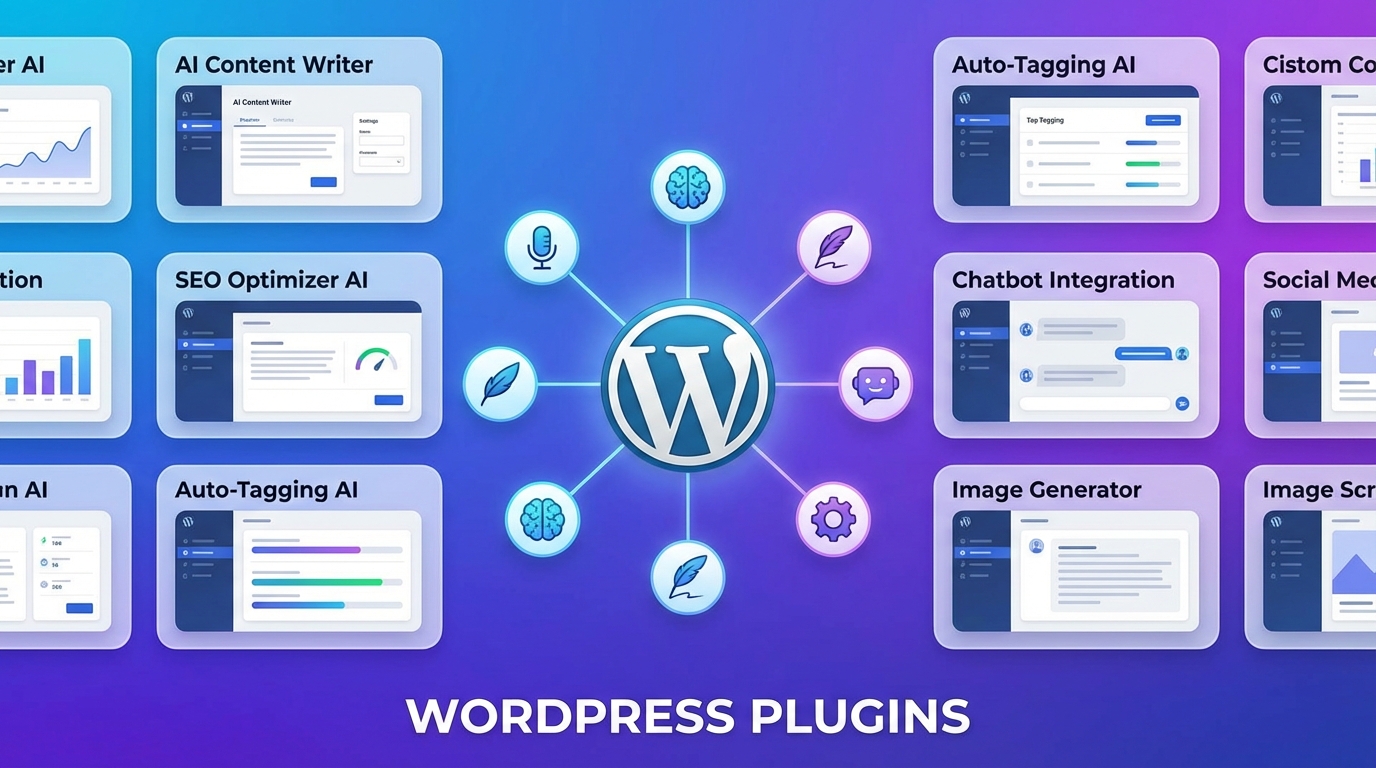
Best AI Content Tools for WordPress: Plugins, Integrations & Workflows
Discover the top AI content tools for WordPress in 2026, including plugins, API integrations, and complete workflows to automate content creation and SEO optimization.

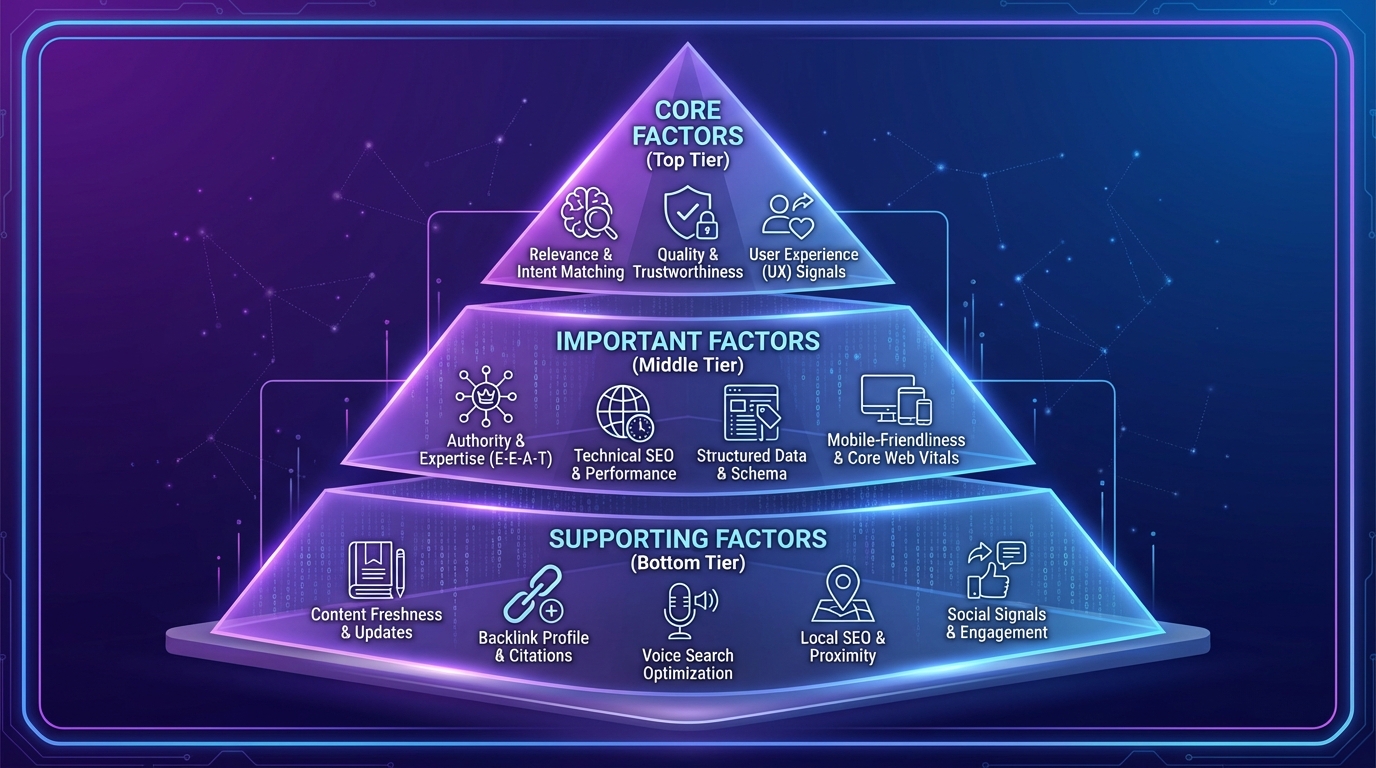
AI Search Engine Ranking Factors: What Actually Matters in 2026
Discover the proven ranking factors that determine visibility across ChatGPT, Perplexity, Google SGE, and Claude in 2026. Data-backed insights from recent studies.

AI SEO Content: How to Rank with Generated Articles in 2026
Learn how AI-generated content can rank on Google in 2026. Complete guide with Google's official guidelines, E-E-A-T requirements, case studies, and optimization strategies.