Perplexity SEO: How to Get Your Content Cited in AI Search
Complete guide to optimizing your content for Perplexity AI citations. Learn how to rank in AI answer engines and drive traffic from next-generation search.
Jump to section
The search landscape is undergoing a seismic shift. While Google still dominates with billions of daily searches, AI-powered answer engines like Perplexity AI are rapidly changing how people discover information online. With over 15 million monthly users and backing from tech giants like Jeff Bezos and NVIDIA, Perplexity represents the future of search.
But here’s the challenge: Perplexity doesn’t just rank pages like Google does. It synthesizes information from multiple sources, cites the most authoritative content, and delivers direct answers. For content creators and marketers, this means a fundamental shift from optimizing for clicks to optimizing for citations.
This comprehensive guide reveals exactly how Perplexity selects sources, what content gets cited most frequently, and proven strategies to increase your visibility in AI answer engines. Whether you’re already seeing traffic from Perplexity or preparing for the AI search revolution, these tactics will position your content for maximum visibility. For a complete picture of the AI search landscape, also explore our guides on optimizing for ChatGPT and GEO strategies for SaaS companies.
What is Perplexity AI and Why It Matters for SEO
Perplexity AI is a conversational search engine launched in 2022 that combines large language models with real-time web search. Unlike traditional search engines that return a list of blue links, Perplexity synthesizes information from multiple sources and delivers comprehensive answers with numbered citations.
How Perplexity Differs from Traditional Search
The fundamental difference comes down to user experience. When you search on Google, you receive 10 blue links and must click through to find your answer. With Perplexity, you get an immediate, synthesized answer pulled from the most relevant sources—each with clear citations linking back to the original content.
| Feature | Google Search | Perplexity AI |
|---|---|---|
| Result Format | List of links | Synthesized answer with citations |
| User Goal | Find pages to click | Get immediate answers |
| Publisher Benefit | Click-through traffic | Citation visibility + engaged referrals |
| Update Frequency | Periodic re-crawls | Daily index updates |
| Optimization Focus | Keywords + backlinks | Clarity + factual density |
| Citation Overlap | N/A | ~60% overlap with Google top 10 |
The Rise of Answer Engines
Perplexity represents a broader shift toward answer engines—AI-powered search tools that prioritize direct answers over navigation. Other players in this space include Google’s Search Generative Experience (SGE), ChatGPT’s web browsing, and Bing’s AI Chat.
The stakes are significant: early data shows that content cited by AI answer engines receives highly engaged traffic. While click-through rates may be lower than traditional search, visitors who do click through tend to have higher engagement rates because they’ve already seen a preview of your expertise.
How Perplexity AI Selects and Ranks Sources
Understanding Perplexity’s source selection process is critical for optimization. Unlike Google’s 200+ ranking factors, Perplexity focuses on three core pillars: authority, extractability, and factual accuracy.
The Source Selection Process
When you query Perplexity, here’s what happens behind the scenes:
-
Query Analysis: Perplexity’s AI models analyze your question to understand intent, required expertise level, and whether you need current information.
-
Web Crawling: The system identifies 20-50 potentially relevant sources using a combination of its own index (PerplexityBot crawler), Google API data, and Bing API data.
-
Source Evaluation: Each source is evaluated against authority signals, content structure, and factual density.
-
Synthesis: The AI synthesizes information from top sources, prioritizing the most authoritative source when multiple sources contain the same information.
-
Citation: The final answer includes numbered citations linking to original sources.
The Three Pillars of Perplexity SEO
According to Perplexity’s documentation and analysis from SEO experts, these are the key ranking factors:
1. Domain and Page Authority
Perplexity heavily weights overall domain authority through signals like:
- High-quality backlinks from reputable industry sites
- Mentions in news articles and authoritative publications
- Consistent citations across the web
- Trust scores assigned to domains and individual pages
Research shows that Perplexity cites well-known sources more frequently. One study found that Yahoo, CNBC, and MarketWatch appear more often in Perplexity results than they do in Google’s top 10 results. Understanding these AI search ranking factors helps inform your optimization strategy.
2. Clarity and Extractability
The AI needs to easily understand and extract information. Content that performs best features:
- Well-structured headings (H2, H3) that outline key topics
- Lists and bullet points for scannable information
- Concise paragraphs (40-60 words each)
- Clear definitions and explanations
- Q&A formatting with questions as H2s
This emphasis on extractability is why technical documentation, how-to guides, and FAQ pages get cited frequently—they’re structured for easy information retrieval.
3. Factual Density and Accuracy
Perplexity prioritizes content with:
- Hard data and statistics (with proper citations)
- Step-by-step instructions with specific details
- Specific definitions and explanations
- Recent publication or update dates
- Expert credentials and bylines
Anonymous or vague content rarely gets cited. Strong authorship with credentials significantly increases citation likelihood.
PerplexityBot: The Crawler Behind the Scenes
Perplexity uses PerplexityBot, its proprietary crawler, to build and maintain its index. Key facts about the crawler:
- User Agent:
PerplexityBot - Respects robots.txt: You can block it using standard directives
- Daily updates: The index refreshes daily for current information
- Real-time component: Some queries trigger real-time web fetches beyond the index
- Compact index: Focuses on quality over quantity, emphasizing head terms over long-tail niche queries
Content Categories That Get Cited Most
Perplexity’s ranking system prioritizes certain high-value content categories:
- Business and Analytics: Market research, business strategy, data analysis
- AI and Technology: Technical guides, product comparisons, innovation coverage
- Science and Research: Academic findings, studies, technical explanations
- How-To and Guides: Step-by-step instructions, tutorials, implementation guides
Content in these top-tier categories receives exponentially more visibility than general interest content. If your expertise aligns with these areas, you have a significant advantage.
Proven Strategies to Optimize Content for Perplexity Citations
Now that you understand how Perplexity works, let’s dive into actionable optimization strategies. These tactics come from SEO experts who’ve successfully increased their Perplexity citation rates by 200-300%.
1. Restructure Content for AI Extractability
The single most important optimization is restructuring content for easy extraction by AI systems.
Lead with the Answer
Traditional SEO content often starts with background, context, or storytelling before getting to the answer. Perplexity favors content that leads with the answer.
Instead of:
“Since the launch of AI search engines in 2022, the landscape of digital marketing has changed dramatically. Many businesses are wondering…”
Write:
“Perplexity AI citations typically appear within 2-4 weeks of content optimization. The fastest path to citations includes structured content, daily freshness updates, and strong domain authority.”
Use Q&A Formatting
Structure your content around common questions in your topic area. Use the question as your H2 heading, then provide a concise answer immediately below.
## How Long Does It Take to Get Cited by Perplexity?
Well-optimized content can appear in Perplexity citations within hours or days. Most businesses see consistent citations within 2-4 weeks of implementing optimization strategies.
Key factors that accelerate citation:- Content freshness (updated within 48 hours)- Clear, structured formatting- Domain authority signals
Break Content Into Scannable Blocks
Keep paragraphs short—40 to 60 words maximum. Use bullet points liberally. Add clear subheadings every 150-200 words.
This structure helps both human readers and AI systems quickly extract the information they need. This approach represents a fundamental shift between GEO and traditional SEO practices.
2. Implement Aggressive Content Freshness
Perplexity’s emphasis on recency is one of its most distinctive ranking factors. According to analysis from SEO experts, freshness plays a significantly larger role than in traditional Google SEO.
The 2-3 Day Rule
To maintain high visibility in Perplexity, refresh your content every 2-3 days. This doesn’t mean rewriting entire articles—small, meaningful updates work effectively:
- Add new statistics or data points
- Update examples to current events
- Expand existing sections with new insights
- Refresh publication dates to signal freshness
- Add new expert quotes or perspectives
Track Decay Rates
Monitor how your citation frequency changes over time. Most content experiences “citation decay” after 3-5 days without updates. Set up a content refresh calendar for your highest-priority pages.
Newsjacking Opportunities
When relevant news breaks in your industry, quickly update related content to reference the development. Perplexity’s real-time crawling can surface updated content within hours.
3. Optimize Technical Elements for AI Crawlers
Technical optimization for Perplexity builds on traditional SEO foundations but adds AI-specific considerations.
Page Speed is Critical
Research indicates that Perplexity may skip slow-loading sites entirely. Target sub-3-second load times:
- Optimize images with next-gen formats (WebP, AVIF)
- Implement lazy loading for below-the-fold content
- Minimize JavaScript execution time
- Use CDN for faster global delivery
Ensure Crawlability
Make sure PerplexityBot can access your content:
- Check that robots.txt doesn’t block PerplexityBot
- Ensure important content isn’t behind authentication
- Use standard HTML rendering (avoid client-side rendering if possible)
- Create clean URL structures without excessive parameters
Mobile Optimization
While not explicitly stated, Perplexity’s mobile-first approach suggests mobile optimization matters significantly. Ensure text is readable without zooming and touch targets are appropriately sized.
4. Add Structured Data Schema Markup
Schema markup is one of the most powerful Perplexity SEO tactics. According to research from AI search experts, implementing structured data can increase AI citation likelihood by over 200%.
Priority Schema Types for Perplexity
Focus on these high-impact schema types:
FAQPage Schema
{ "@context": "https://schema.org", "@type": "FAQPage", "mainEntity": [{ "@type": "Question", "name": "How long does it take to get cited by Perplexity?", "acceptedAnswer": { "@type": "Answer", "text": "Well-optimized content can appear in Perplexity citations within hours or days. Most businesses see consistent citations within 2-4 weeks." } }]}Article Schema
{ "@context": "https://schema.org", "@type": "Article", "headline": "Your Article Title", "author": { "@type": "Person", "name": "Author Name", "jobTitle": "Expert Title", "affiliation": "Organization" }, "datePublished": "2026-01-14", "dateModified": "2026-01-14"}Organization and Person Schema
Build a knowledge graph by implementing Organization schema site-wide and Person schema for all authors. This helps Perplexity understand expertise and authority.
HowTo Schema
For instructional content, HowTo schema provides clear structure that AI systems love:
{ "@context": "https://schema.org", "@type": "HowTo", "name": "How to Optimize for Perplexity AI", "step": [{ "@type": "HowToStep", "name": "Restructure Content", "text": "Format content with Q&A structure and bullet points" }]}5. Build Topic Authority with Content Clusters
Perplexity recognizes patterns of expertise across your site. Building comprehensive content clusters signals topical authority.
Create Pillar-Cluster Architecture
- Pillar Content: Comprehensive guides on core topics (2,500+ words)
- Cluster Content: Specific articles diving deep into subtopics (1,200-1,800 words)
- Internal Links: Connect cluster content to pillar pages with contextual anchor text
Cover Topics Comprehensively
Don’t just create one article on a topic. Build a complete knowledge base:
- Main guide (what it is, why it matters, how it works)
- Implementation guides (step-by-step instructions)
- Comparison articles (vs alternatives)
- Case studies (real-world examples)
- Troubleshooting guides (common problems and solutions)
This depth signals to Perplexity that your site is a definitive source on the topic.
6. Establish Expert Authorship
Anonymous content rarely gets cited by Perplexity. Strong author credentials significantly increase citation likelihood.
Build Author Authority
For each author on your site:
- Create comprehensive author bios with credentials
- Link to professional profiles (LinkedIn, professional websites)
- Include author photo and job title
- Add Person schema markup with relevant fields
- Show author expertise through consistent publishing in their area
Display Credentials Prominently
Include relevant credentials in author bylines:
- Professional certifications
- Years of experience
- Notable publications or speaking engagements
- Academic credentials when relevant
Use Expert Quotes and Citations
When you cite industry experts or reference authoritative sources, you signal that your content is well-researched and factually grounded. This increases Perplexity’s trust in your content.
7. Optimize for Perplexity’s Focus Modes
Perplexity offers several Focus modes that users can select to narrow their search. Understanding these helps you optimize content for specific use cases.
Academic Focus
If your content targets academic or research queries:
- Cite peer-reviewed sources
- Include methodology explanations
- Link to original research papers
- Use formal, technical language
Writing Focus
For content creation and writing resources:
- Provide templates and examples
- Include before/after comparisons
- Offer actionable frameworks
- Use clear, instructional language
Video Focus
Perplexity can analyze YouTube content. If you have video content:
- Create detailed video descriptions
- Add timestamps for key sections
- Include transcripts when possible
- Embed videos in related blog posts
Monitoring Your Perplexity Visibility
You can’t improve what you don’t measure. Tracking your Perplexity performance requires setting up proper analytics and monitoring systems.
Track Perplexity Referral Traffic in GA4
Perplexity automatically includes referrer headers when users click citations, making tracking straightforward in Google Analytics 4.
Method 1: Quick Check via Traffic Acquisition
- In GA4, go to Reports > Acquisition > Traffic acquisition
- Set the primary dimension to Session source/medium
- Look for
perplexity.ai/referralin the list - Click “Add filter” to isolate AI traffic
This gives you a quick snapshot of traffic volume from Perplexity.
Method 2: Create Custom Channel Group (Recommended)
For ongoing monitoring:
- Navigate to Admin > Data Display > Channel Groups
- Create a new custom Channel Group named “AI Traffic”
- Add a condition: Source matches regex:
(perplexity|chatgpt|claude|gemini|openai) - Save and apply to your reports
This creates a dedicated channel for all AI referral traffic, making trend analysis easier.
Method 3: Build a Custom Exploration Report
For deeper analysis:
- Go to Explore in GA4
- Create a new exploration
- Add dimensions: Session source, Landing page, Device category
- Add metrics: Sessions, Engaged sessions, Engagement rate, Conversions
- Apply filter: Session source contains “perplexity”
This lets you analyze which pages receive Perplexity traffic and how engaged those visitors are.
Set Up Citation Monitoring
Beyond traffic, track how often your content gets cited:
Manual Monitoring
Test key queries related to your content in Perplexity. Create a spreadsheet with:
- Query
- Date tested
- Whether you were cited
- Position in citations (1st, 2nd, 3rd, etc.)
Run these tests weekly to track citation frequency trends.
Content Decay Tracking
Monitor how citation rates change over time:
- New content (0-7 days old)
- Recent content (7-30 days old)
- Aging content (30-90 days old)
- Mature content (90+ days old)
This reveals your optimal refresh frequency.
Compare Performance Across AI Platforms
Don’t just track Perplexity—monitor performance across all AI answer engines:
| Platform | User Agent | Tracking Method |
|---|---|---|
| Perplexity | PerplexityBot | perplexity.ai/referral in GA4 |
| ChatGPT | ChatGPT-User | chat.openai.com/referral |
| Google SGE | Googlebot | Embedded in Google search traffic |
| Bing Chat | BingBot | Embedded in Bing search traffic |
| Claude | ClaudeBot | claude.ai/referral |
Setting up tracking for all platforms gives you a complete view of your AI search visibility.
Structured Data Recommendations for Maximum AI Visibility
We touched on schema markup earlier, but let’s dive deeper into implementation best practices specifically for Perplexity citations.
Build a Private Knowledge Graph
A Private Knowledge Graph is a structured map of your organization’s entities—services, products, experts, locations, and expertise areas—and the relationships between them.
Implementation Steps
- Implement Organization Schema Site-Wide
Add comprehensive Organization schema to your homepage and site footer:
{ "@context": "https://schema.org", "@type": "Organization", "name": "Your Company Name", "url": "https://yoursite.com", "logo": "https://yoursite.com/logo.png", "description": "Brief description of your organization", "sameAs": [ "https://twitter.com/yourcompany", "https://linkedin.com/company/yourcompany" ], "contactPoint": { "@type": "ContactPoint", "contactType": "customer service", }}- Add Person Schema for Every Author
Connect authors to their content and establish expertise:
{ "@context": "https://schema.org", "@type": "Person", "name": "Author Name", "jobTitle": "Senior SEO Specialist", "affiliation": { "@type": "Organization", "name": "Your Company Name" }, "sameAs": [ "https://linkedin.com/in/authorname", "https://twitter.com/authorname" ], "knowsAbout": ["SEO", "Content Marketing", "AI Search"]}- Implement Breadcrumb Schema
Help AI understand your site structure:
{ "@context": "https://schema.org", "@type": "BreadcrumbList", "itemListElement": [{ "@type": "ListItem", "position": 1, "name": "Home", "item": "https://yoursite.com" }, { "@type": "ListItem", "position": 2, "name": "Blog", "item": "https://yoursite.com/blog" }, { "@type": "ListItem", "position": 3, "name": "Article Title" }]}JSON-LD Best Practices
Always use JSON-LD format for schema markup—it’s the preferred method for AI systems:
- Place schema in the
<head>section or at the end of<body> - Ensure strict parity between schema and visible content
- Validate using Google’s Rich Results Test
- Avoid keyword stuffing in schema fields
- Keep markup updated when content changes
Priority Schema Types by Content Category
| Content Type | Primary Schema | Secondary Schema |
|---|---|---|
| How-To Guides | HowTo | Article, FAQPage |
| Product Reviews | Product, Review | AggregateRating |
| Research Articles | ScholarlyArticle | Person, Organization |
| Company Pages | Organization | LocalBusiness |
| Event Coverage | Event | Article |
| Recipes | Recipe | HowTo |
| FAQ Content | FAQPage | Article |
Perplexity SEO vs Traditional Google SEO: Key Differences
While there’s significant overlap between Perplexity optimization and Google SEO (about 60% according to research), key differences require adjusted strategies.
Ranking Factor Comparison
| Factor | Google SEO | Perplexity SEO |
|---|---|---|
| Backlinks | Critical (20-30% of ranking) | Important but less weighted |
| Content Freshness | Monthly updates sufficient | 2-3 day refresh cycle ideal |
| Keyword Density | 0.5-2% target density | Natural language preferred |
| Content Length | 1,500-2,500 words optimal | Varies; conciseness valued |
| Schema Markup | Nice-to-have (5-10% impact) | Critical (10-20% impact) |
| Domain Authority | Very important | Very important |
| Page Speed | Important | Critical (may skip slow sites) |
| Author Credentials | E-E-A-T signal | Direct citation factor |
Content Strategy Differences
For Google: Create comprehensive, long-form content with keyword optimization, strong backlink profiles, and regular (monthly) updates. Focus on ranking for specific keywords and driving click-through traffic.
For Perplexity: Create concise, structured content with clear answers, extremely frequent (2-3 day) updates, and strong schema markup. Focus on being cited as an authoritative source and driving engaged referral traffic.
The 60% Overlap Advantage
The good news: strong traditional SEO provides a foundation for Perplexity visibility. Research shows that about 60% of Perplexity’s cited sources overlap with Google’s top 10 results.
This means:
- Content ranking well on Google often feeds Perplexity answers
- Investing in foundational SEO (authority, technical optimization) benefits both
- You don’t need to choose between Google and Perplexity—optimize for both
Automate Your SEO Content Creation
Suparank helps you create SEO-optimized content that ranks on both traditional search engines and AI answer engines like Perplexity. Generate citations-ready content automatically.
Common Perplexity SEO Mistakes to Avoid
Even experienced SEO professionals make mistakes when optimizing for AI answer engines. Here are the most common pitfalls and how to avoid them.
1. Treating Perplexity Like Google
The biggest mistake is applying traditional SEO tactics without adjustment. Perplexity doesn’t work the same way as Google:
- Don’t stuff keywords—use natural language
- Don’t focus solely on backlinks—structure and freshness matter more
- Don’t update monthly—refresh every 2-3 days for best results
2. Neglecting Content Freshness
Many sites update content monthly or quarterly. For Perplexity, that’s far too infrequent. Content experiences significant citation decay after just 3-5 days without updates.
Solution: Set up a content refresh calendar. Even small updates (new stats, current examples, expanded sections) signal freshness to Perplexity’s daily crawler.
3. Poor Content Structure
Walls of text don’t get cited. AI systems need clear, extractable structure.
Avoid:
- Long paragraphs (100+ words)
- Buried answers (forcing AI to read entire article to find key points)
- Vague headings (“Introduction,” “Our Thoughts”)
- Missing bullet points and lists
Instead:
- Use 40-60 word paragraphs
- Lead with clear answers
- Write descriptive, question-based headings
- Liberally use bullets and numbered lists
4. Anonymous or Weak Authorship
Content without clear author credentials rarely gets cited. Perplexity favors content from identifiable experts.
Solution: Add comprehensive author bios, credentials, and Person schema to every article. Link to professional profiles that establish expertise.
5. Ignoring Schema Markup
Sites without structured data miss out on one of the highest-leverage optimization opportunities. Schema markup can increase citation likelihood by 200%+.
Solution: Implement at minimum FAQPage, Article, Organization, and Person schemas. Use JSON-LD format and validate with Google’s testing tools.
6. Blocking AI Crawlers
Some publishers block AI crawlers out of concern about content usage. While understandable, this prevents your content from being cited and discovered.
Consider: The tradeoff between crawler concerns and visibility. With 15+ million monthly Perplexity users, citations represent significant potential traffic and brand authority.
7. Not Tracking Performance
You can’t optimize what you don’t measure. Many sites don’t track Perplexity referral traffic or citation rates.
Solution: Set up GA4 tracking for perplexity.ai referrals and manually test key queries weekly to track citation frequency.
The Future of Perplexity SEO and AI Search
AI-powered answer engines represent a fundamental shift in how people discover information online. Understanding where this is headed helps you prepare your content strategy.
Growing Market Share
While Google still dominates with billions of daily searches, AI answer engines are growing rapidly:
- Perplexity: 15+ million monthly active users (as of 2026)
- ChatGPT: 100+ million weekly active users with web browsing
- Google SGE: Rolling out globally
- Bing Chat: Integrated into Windows and Edge
The combined reach of these platforms is becoming too significant to ignore.
The Citation Economy
Traditional SEO focused on clicks. AI search creates a “citation economy” where being referenced builds authority even when users don’t click through.
Benefits of consistent citations:
- Brand visibility and awareness
- Positioning as an industry authority
- Increased direct brand searches
- Higher-quality referral traffic (when clicks do occur)
Integration with Traditional Search
Google’s SGE (Search Generative Experience) is bringing AI-generated answers directly into traditional search results. The optimization strategies for Perplexity largely apply to SGE:
- Structured, extractable content
- Clear authorship and credentials
- Schema markup implementation
- Factual density and accuracy
Optimizing for one AI platform generally improves visibility across all of them.
The Importance of Starting Now
AI search optimization isn’t the future—it’s happening now. Sites that invest in these strategies today are building authority that will compound over time.
Early movers gain significant advantages:
- Establishing citation patterns across queries
- Building authority signals in AI indexes
- Learning what works through iteration
- Capturing traffic from early adopters
Conclusion: Your Perplexity SEO Action Plan
Optimizing for Perplexity AI doesn’t require abandoning traditional SEO principles—it requires evolving them for AI-powered answer engines.
Start with These High-Impact Actions
-
Restructure Your Top-Performing Content
- Add Q&A formatting with questions as H2s
- Lead with clear answers
- Break content into 40-60 word paragraphs
- Add bullet points and lists for scannability
-
Implement Schema Markup
- Start with FAQPage schema for FAQ content
- Add Article schema to all blog posts
- Implement Organization and Person schemas site-wide
- Validate with Google’s Rich Results Test
-
Set Up Freshness System
- Create content refresh calendar
- Target 2-3 day update frequency for key pages
- Track citation decay rates
- Prioritize pages already receiving Perplexity traffic
-
Establish Author Authority
- Create comprehensive author bios
- Add credentials and professional links
- Implement Person schema for all authors
- Link authors to their professional profiles
-
Track Performance
- Set up GA4 tracking for perplexity.ai referrals
- Create custom channel group for AI traffic
- Test key queries weekly
- Monitor engagement rates from AI referrals
The Bottom Line
Perplexity SEO represents a fundamental shift from optimizing for clicks to optimizing for citations. Content that’s clearly structured, frequently updated, and backed by strong credentials wins in this new landscape.
The strategies outlined in this guide work—sites implementing these tactics report citation rate increases of 200-300% within weeks. The question isn’t whether to optimize for AI search, but how quickly you can implement these strategies before your competitors do.
Start with your highest-traffic content, implement the core optimizations, and track results. As you see success, expand the strategies across your entire content library. The citation economy is here—position your content to win in this new era of search.
Frequently Asked Questions
How long does it take to get cited by Perplexity AI?
Do I need different SEO strategies for Perplexity vs Google?
Can I block Perplexity from crawling my site?
How do I track traffic from Perplexity AI citations?
Tags
More articles
Best AI Content Tools for WordPress: Plugins, Integrations & Workflows
Discover the top AI content tools for WordPress in 2026, including plugins, API integrations, and complete workflows to automate content creation and SEO optimization.

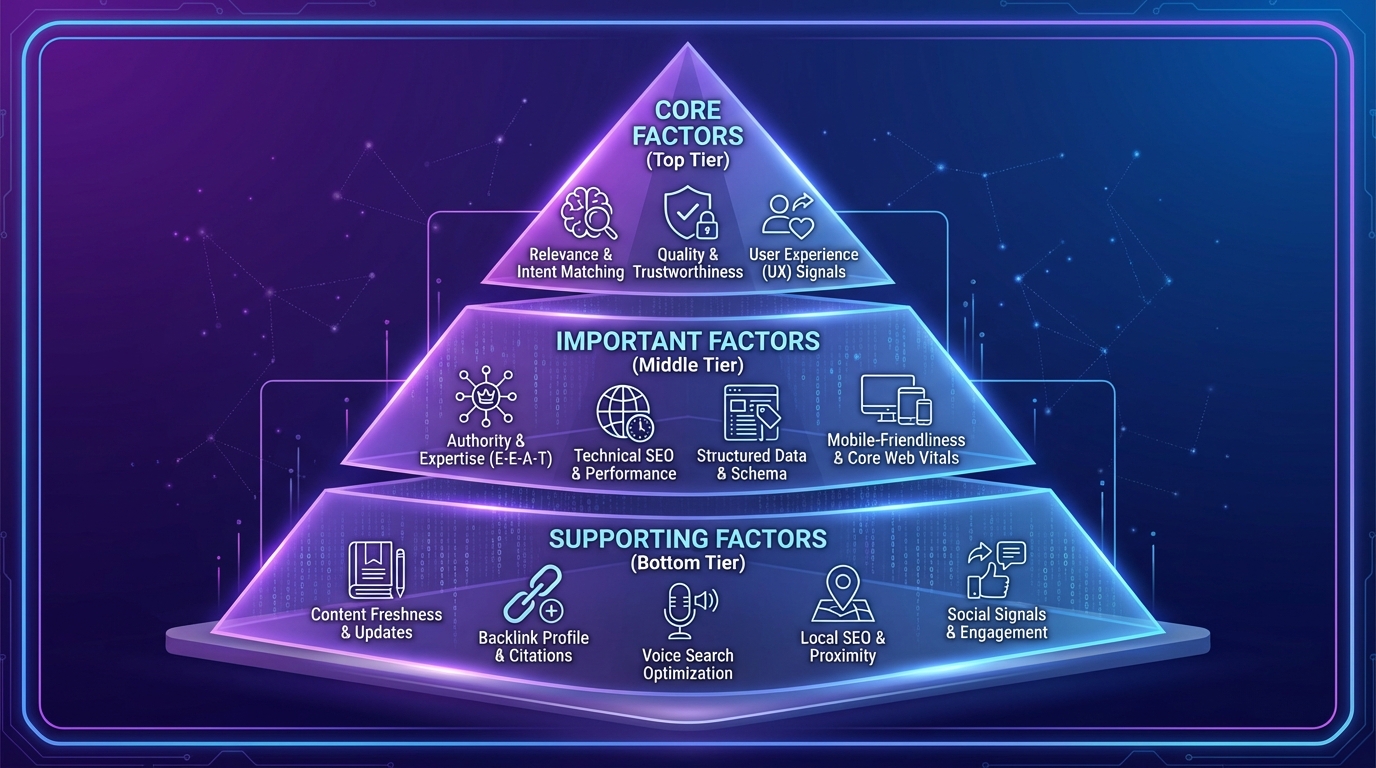
AI Search Engine Ranking Factors: What Actually Matters in 2026
Discover the proven ranking factors that determine visibility across ChatGPT, Perplexity, Google SGE, and Claude in 2026. Data-backed insights from recent studies.
AI SEO Content: How to Rank with Generated Articles in 2026
Learn how AI-generated content can rank on Google in 2026. Complete guide with Google's official guidelines, E-E-A-T requirements, case studies, and optimization strategies.